User-Centered Design is the compass guiding us to create games that players can’t help but fall in love with. It’s about more than just aesthetics; it’s about crafting experiences that resonate on a deeper level.
🚀Intuitive Interfaces – Think of interfaces as portals to adventure. They should be seamless, intuitive gateways that effortlessly connect players to your game world. Clear navigation, well-organized menus – these are the building blocks of engagement. Seemless UI will engage the player without distraction. Clunky UI will frustrate your player and cause them to most likely end their experience early
🚀Seamless Controls – Controls should be an extension of the player’s intentions. Whether it’s a flick of the joystick, a tap on the screen, or a combination of keys, they should feel natural and responsive. This harmony between player and character enhances immersion.
🚀Engaging Interactions – Interactions are the threads that weave the player’s narrative. Make them meaningful, interactive, and dynamic. From NPCs with distinct personalities to objects with hidden surprises – each interaction should leave an impression.
🚀The Player-Focused Path – A user-friendly game isn’t just a luxury; it’s a necessity. Players gravitate towards experiences that respect their time, challenge their skills, and stir their emotions. A game that prioritizes players’ needs fosters a fan base that’s not just loyal, but passionate.
In the realm of game development, we’re not just building games; we’re crafting stories, memories, and shared adventures. So, let’s embark on the journey of User-Centered Design together, creating games that become a cherished part of players’ lives. 🎮✨
#SpaceGnomeStudio #GameDevelopment #GameDevServices #GameDev #UserCenteredDesign #GamingExperiences #PlayerFirst #GameDevelopment
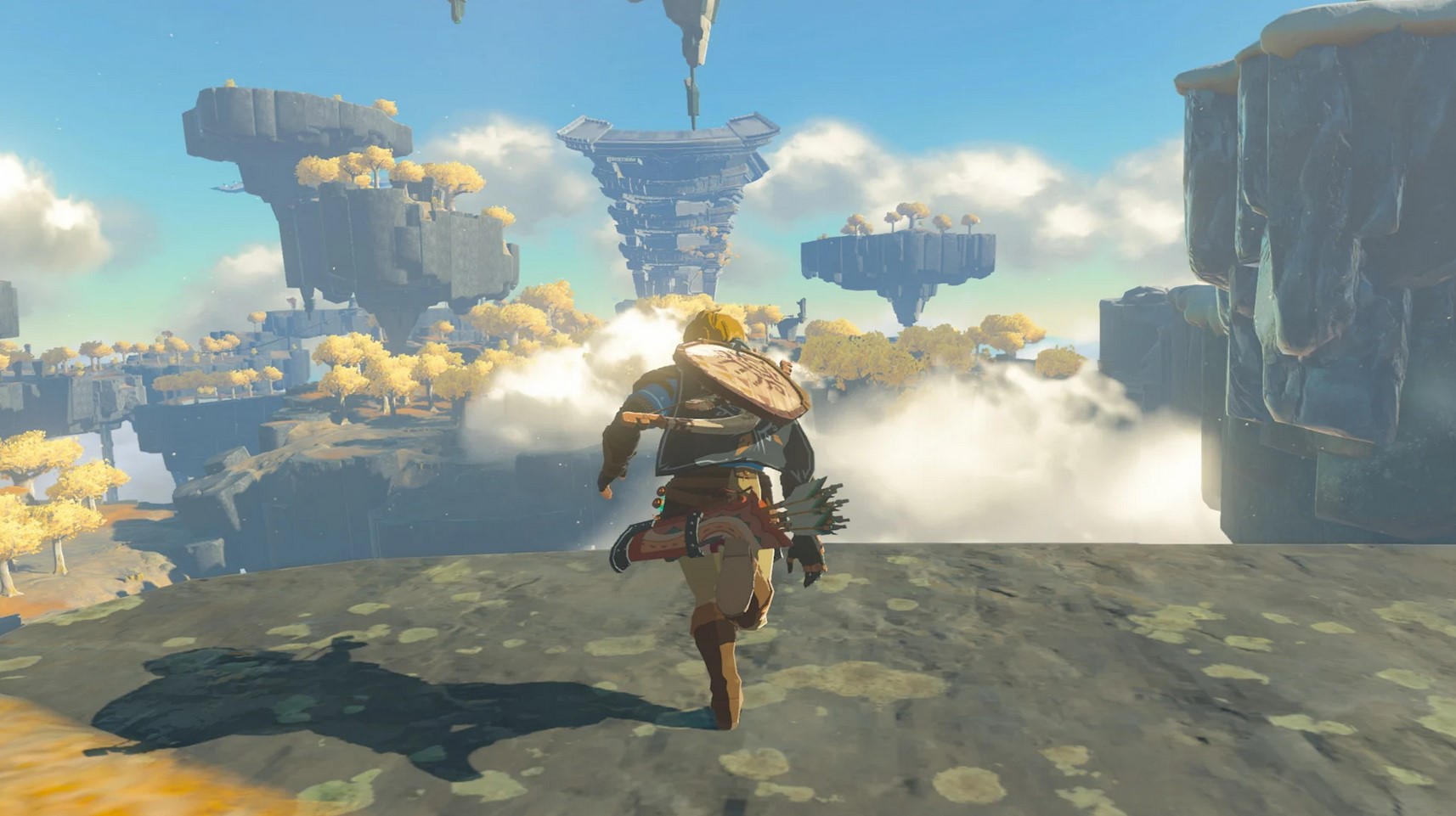
Photo – Zelda: Tears of the Kingdom – Nintendo